BMW i3 Saloon (2026): The luxury EV that could finally put range anxiety to bed
BMW is reintroducing the i3 name, an unexpected move for many.
This time, though, it’s attached to something very different. Gone is the
upright city car. In its place sits a fully electric saloon that will effectively take on the role of the 3 Series in the years ahead.
On paper, this represents a significant advancement.
At Total Loss GAP, we speak with thousands of customers who are looking to buy an EV each year. Range anxiety is a real concern. A new model with this kind of range will undoubtedly create much interest.
A Range Figure That Feels Different
Electric vehicle range has steadily improved, as you may expect with advancements in electric vehicle technology.
A few years ago, 200 miles was standard, then 300 miles became the benchmark, and recently, exceeding 400 miles has been considered 'long range.'
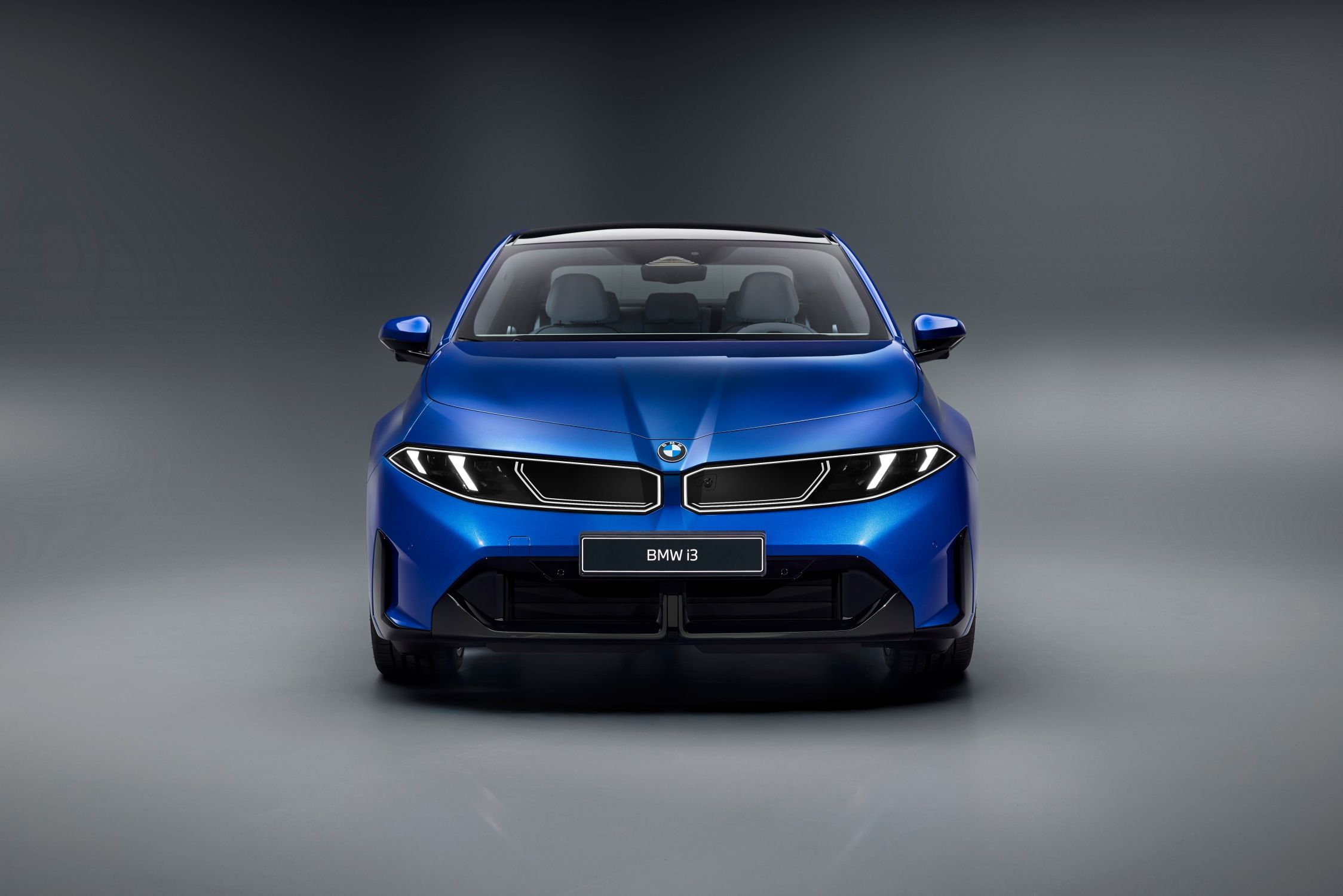
A 562-mile range surpasses this progression by a significant margin.
For the first time, an electric saloon starts to feel comparable to the sort of range drivers have traditionally associated with diesel, not just in theory, but in how it might work day to day.
BMW’s method here isn’t based on one single breakthrough. It’s a number of factors: a larger battery (likely somewhere around the 100kWh mark), a more efficient drivetrain, and a platform developed specifically for electric use rather than adapted from something else.
Individually, these improvements are incremental, but collectively, they are significant.
How It Stacks Up: What ‘Long Range’ Looks Like Today
To understand why this matters, it helps to look at what currently passes for long range.
At the top end, the Mercedes EQS has been the benchmark, stretching to somewhere around the 480 to 500-mile mark on paper. Tesla’s Model S Long Range sits a bit lower, typically just over 400 miles depending on the version.
Further down the segment, the Tesla Model 3 Long Range, still one of the most recognisable EVs on UK roads, tends to land somewhere in the mid-400s. The Volkswagen ID.7 pushes into similar territory.
BMW’s own line-up doesn’t get especially close. The i5 peaks at roughly 380 miles, while the i4 sits nearer the mid-300s in real terms.
So when you drop a 562-mile figure into that landscape, it doesn’t just edge ahead. It stands apart.
Whether that gap holds up in real driving is another question, of course. But even taking into account the usual differences between WLTP figures and reality, there’s a clear step change here.
Is This Where Range Anxiety Starts to Fade?
Range anxiety has always been a slightly odd thing.
Many drivers rarely cover more than 200 miles in a single journey, yet the concern sticks. It’s not really about typical usage. It’s about the edge cases, the long trips, the surprise detours, the feeling of not quite being in control.
What a genuine 500-plus-mile EV does is turn those rare instances into something that feels far less relevant.
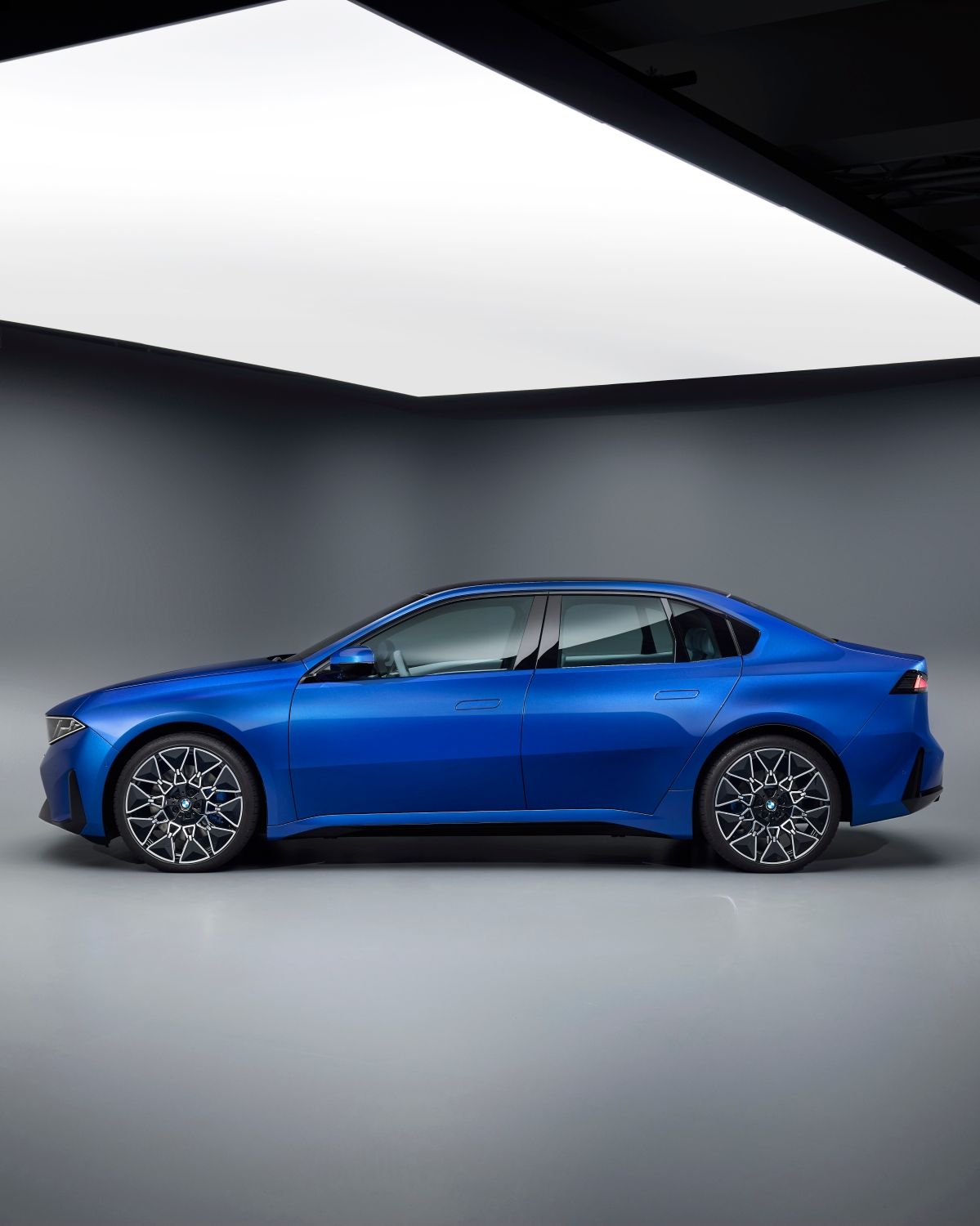
Think about a typical week. Commuting, school runs, and the odd longer drive at the weekend. For many people, a car like this could go several days, possibly longer, without needing to be plugged in.
That’s a different ownership experience.
And when charging does come into play, the new platform is expected to support very high charging speeds thanks to its 108kWh nickel-manganese-cobalt (NMC) battery. In the right conditions, that could mean adding a substantial amount of range in the time it takes to stop for a coffee.
At that point, the conversation shifts slightly. It’s no longer “Will I make it?” but more “When do I actually need to bother charging?”
What Sits Underneath Matters Just as Much
The range figure will grab the headlines, but the platform underneath is arguably the bigger story.
This is BMW’s Neue Klasse architecture, and it signals a proper break from what’s come before. Cars like the i4 and i5 have worked well enough, but they’ve always been tied to platforms that also support petrol and diesel models.
This isn’t that.
Neue Klasse is electric-first. Everything from battery placement to weight distribution has been designed around that.
The benefits are fairly clear:
- New battery technology with higher energy density
- Better packaging and reduced weight
- Faster charging capability
- A step forward in overall efficiency
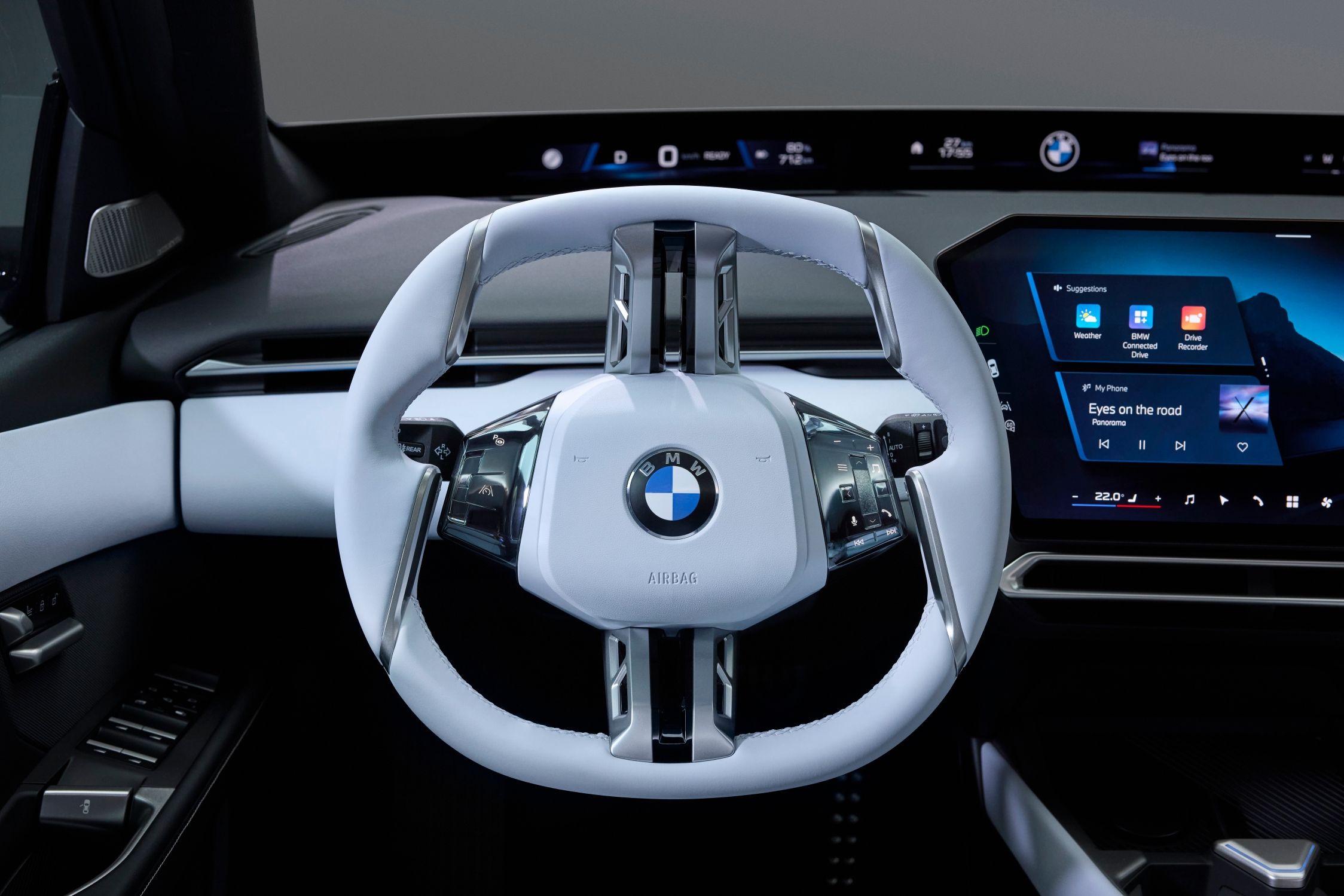
BMW is also putting a lot of emphasis on software this time around, with a new digital system designed to manage key vehicle functions more intelligently. It’s the sort of change that’s less visible but tends to make a difference over time.
Still Built to Be Driven
For all the talk of efficiency and range, BMW seems keen not to lose sight of what has traditionally made a 3 Series appealing.
Early indications point towards a rear-biased all-wheel-drive setup in higher-spec versions, with power outputs comfortably north of 400bhp. Combine that with a low centre of gravity and a well-balanced chassis, and it should still feel like a driver’s car.
That’s important, because one of the criticisms often aimed at long-range EVs is that they can feel a bit one-dimensional. Very capable, very quick, but not always that engaging.
BMW will want to avoid that.
More Than Just Another Model Launch
What’s perhaps most interesting is where this car sits in BMW’s wider plans.
This isn’t a niche experiment or a side project. It’s a core model. A car that will sit at the heart of the brand’s future line-up rather than alongside it.
Production is expected to begin in Munich from 2026, with UK orders taken from Autumn this year. Pricing hasn’t been confirmed, but it’s safe to assume it will land squarely in the premium executive bracket.
That puts it directly up against Tesla, Mercedes and Audi’s next wave of electric saloons.
On range alone, it may have the upper hand.
What Does This Mean for Buyers?
For all the progress in electric vehicle technology, one thing hasn’t really changed........how cars lose value.
In fact, with higher purchase prices and rapidly advancing technology, depreciation remains a key consideration for many EV buyers. A car offering this level of range and capability is unlikely to be cheap (a new price of just under £50,000 has been suggested), and that naturally raises the stakes.
There are also practical aspects of electric ownership. Heavier vehicles, instant torque, and larger alloy wheels can all increase tyre and wheel wear, particularly on UK roads where potholes remain a constant issue.
None of this detracts from what the new i3 represents. If anything, it reinforces the idea that as electric cars become more capable, protecting that investment becomes even more relevant.
It’s something more buyers are starting to think about, not just how far a car can go, but how best to manage the costs of owning it.
A Subtle but Important Shift
For a long time, buying an electric car has involved some compromise. Not always a major one, but something nonetheless, whether that’s range, charging convenience, or simply a change in routine.
Cars like this start to chip away at that idea.
When you can realistically cover 500 miles or more on a single charge, the biggest obstacle for many drivers begins to fade. Not completely, perhaps, but enough to change how the car fits into everyday life.
BMW hasn’t reinvented the electric car here. But it may have pushed it to a point where one of its biggest perceived drawbacks becomes far less relevant.
For buyers getting into high-value electric cars for the first time, it’s also worth thinking about how you protect that investment from day one.
And that, more than the number itself, could be what really matters.