What Causes a Tyre Sidewall Bulge? Is It Dangerous?
A bulge in a tyre sidewall is a sign of internal damage and is usually considered unsafe.
In most cases, a tyre with a sidewall bulge needs to be replaced. Although the outer rubber may appear intact, the tyre's internal structure is weakened.
Understanding what causes a tyre bulge and why it should be taken seriously can help drivers respond quickly and avoid further risk.
What Is a Tyre Sidewall Bulge?
A tyre sidewall bulge appears as a visible swelling or “bubble” on the side of the tyre.
This occurs when the internal cords that give the tyre its strength become damaged or broken. The outer rubber layer remains intact, but the tyre's structural strength is compromised.
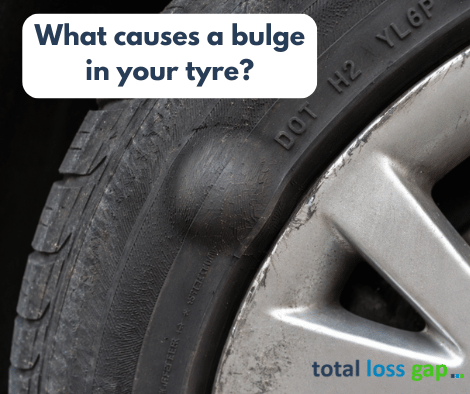
Air pressure inside the tyre then pushes against the weakened area, causing the sidewall to bulge outward.
What Causes a Tyre Sidewall Bulge?
Tyre sidewall bulges are most commonly caused by sudden impacts or tyre damage.
Pothole Impacts
When a vehicle hits a pothole, the tyre can be sharply compressed between the road surface and the wheel rim. This impact can damage the internal cords even without immediate pressure loss.
A visible bulge in the sidewall is often the clearest sign that internal damage has occurred.
You may hear a thump with every wheel turn and feel similar feedback through the steering wheel.
Kerb Impacts
Contact with kerbs, even when parking, can damage the tyre sidewall. Low-speed impacts can weaken the tyre's internal structure.
Higher-speed impacts can cause more severe damage, often resulting in a visible sidewall bulge.
Road Debris and Uneven Surfaces
Driving over debris or uneven road surfaces can cause localised tyre damage, especially if the impact is concentrated at a single point.
Incorrect Tyre Pressure
Tyres that are underinflated are more vulnerable to damage.
Lower pressure lets the tyre flex more than intended, increasing the chance of internal damage from road hazards.
Is a Tyre Sidewall Bulge Dangerous?
Yes. A tyre with a sidewall bulge is considered unsafe.
The bulge shows the tyre's internal structure is weakened. This raises the risk of sudden tyre failure, especially at higher speeds or under load.
Sometimes, the tyre can fail without warning, affecting vehicle control and safety.
For this reason, a tyre with a visible sidewall bulge should be inspected and replaced as soon as possible.
Can a Tyre With a Bulge Be Repaired?
Repairs are safe only when damage is limited to the central tread and the internal structure is intact.
Because a sidewall bulge indicates structural damage, repairing the tyre would not restore its strength or safety.
Tyre specialists will therefore recommend replacement rather than repair in these situations.
What Should You Do If You Notice a Bulge?
If you notice a bulge in your tyre sidewall:
- Reduce your speed and avoid harsh driving
- Avoid long journeys or motorway speeds
- Have the tyre inspected by a tyre specialist as soon as possible
- Replace the tyre if damage is confirmed
Continuing to drive on a damaged tyre increases the risk of failure.
How much Does It Cost to replace a Damaged Tyre?
The cost of replacing a tyre in the UK varies depending on the size, brand, and type fitted to the vehicle.
Standard tyres may cost less, while larger, premium or specialist tyres can be significantly more expensive.
If multiple tyres are affected, such as after a pothole impact, the total cost rises quickly.
Can You Claim for Tyre Damage?
In some cases, drivers may be able to claim compensation for tyre damage caused by potholes or poor road conditions.
However, claims are not always successful. Local authorities may reject them if they show reasonable road inspections and maintenance were done.
Drivers should not assume tyre damage costs will always be recoverable.
How Drivers Protect Against Tyre Damage
Tyre damage can occur unexpectedly, especially on UK roads where potholes and poor surfaces are common.
Nails, screws, stones, and broken glass can be easily picked up. Impact damage can also cause sidewall bulges, making the tyre dangerous.
To help manage these risks, some drivers consider:
These options help reduce the financial impact of unexpected tyre damage. For details, see our
tyre protection guide.
Practical Ways to Reduce the Risk of Tyre Damage
While tyre damage cannot always be avoided, drivers can reduce its likelihood by:
- keeping the correct tyre pressure
- slowing down on poor road surfaces
- avoiding potholes and road debris where possible
- taking care when parking near kerbs
- checking tyres regularly for early signs of damage
Regular checks help identify problems before they worsen.
Conclusion
A tyre sidewall bulge is a clear sign of internal damage and should not be ignored.
Because the tyre's integrity is compromised, a bulging tyre is unsafe and usually needs replacement.
Understanding tyre bulge causes and responding quickly helps drivers avoid further damage and reduce sudden tyre failure risk.
Frequently Asked Questions
Is a bulge in a tyre illegal in the UK?
A tyre with a sidewall bulge may be considered unroadworthy if it compromises safety. Driving with a damaged tyre could bring about penalties if it does not meet required safety standards.
Can I drive with a bulge in my tyre?
It is not recommended. A bulge indicates structural damage, and continued driving increases the risk of sudden tyre failure.
The tyre will need to be replaced with a new one.
What causes a bubble in a tyre?
Tyre bubbles, or bulges, are usually caused by impact damage, such as hitting a pothole or kerb, which weakens the tyre's internal structure.
Does a bulge mean I need a new tyre?
In most cases, yes. A bulge indicates internal damage that cannot be safely repaired.
Can potholes cause tyre bulges?
Yes. Pothole impacts are one of the most common causes of tyre sidewall bulges due to the force applied to the tyre during impact. See our guide on how potholes can damage your tyres.
Article reviewed by
Mark Griffiths, Director of Aequitas Automotive Ltd, the company behind Total Loss GAP in the UK, with expertise in GAP insurance and vehicle protection products. (17/4/2026)