How Much Does a Tyre Puncture Repair Cost in the UK?
The cost of repairing a tyre puncture in the UK is typically between £20 and £40, depending on the type of repair and the garage carrying out the work.
Some tyre retailers may offer free puncture repairs as part of promotional offers or tyre safety checks, while mobile repair services or emergency call-outs can cost £30 to £50 or more.
However, not all punctures can be repaired. In some cases, the tyre may need to be replaced entirely, particularly if the damage affects the sidewall or the tyre's internal structure.
Understanding when a puncture repair or replacement is required can help drivers assess costs and decide whether protecting their tyres is a worthwhile investment. Many drivers take out either tyre insurance or a tyre maintenance plan to help cover the costs of this aspect of ownership. Drivers looking to manage these risks can read our
Tyre Protection Guide for UK Drivers.
Average Cost of Tyre Puncture Repair in the UK 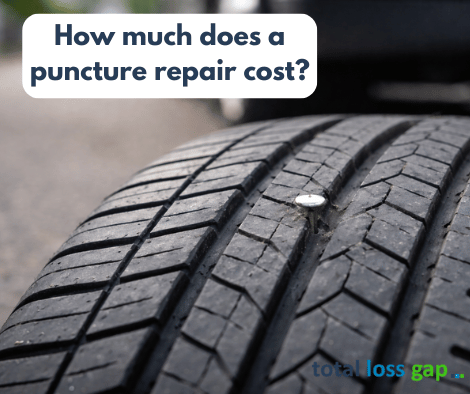
For most drivers, a standard puncture repair is relatively inexpensive.
Typical UK repair costs include:
- Standard puncture repair: £20 – £40 (Kwik Fit currently quote from £29.99)
- Mobile or premium repair services: £30 – £50+
- Emergency or roadside call-out: varies depending on provider
In many cases, the repair cost includes removing the tyre, inspecting the damage, carrying out the repair, and rebalancing the wheel before refitting.
It is always worth checking what is included, as some garages may charge separately for balancing or valve replacement.
Can All Tyre Punctures Be Repaired?
Not all punctures can be safely repaired. Whether a tyre can be repaired depends largely on where the damage has occurred and how severe it is.
Tyre repair specialists generally conform to industry guidelines to determine whether a repair is safe. Guidance from organisations such as
TyreSafe states that repairs should be carried out only within the central tread area of the tyre and only when the tyre’s structure has not been compromised.
When a Puncture Can Be Repaired
A tyre can usually be repaired if:
- the puncture is small
- the damage is located in the central tread area
- the internal integrity of the tyre has not been compromised
Repairs in this area are considered safe because the tread is designed to handle contact with the road surface.
When a Tyre Cannot Be Repaired
A tyre will usually need to be replaced if:
- the puncture is in the sidewall or shoulder of the tyre
- the hole is too large
- there are multiple punctures close together
- the internal cords of the tyre have been damaged
In these cases, repairing the tyre would not be safe, and replacement is the only option.
Why the Location of the Puncture Matters
The position of the puncture plays a major role in whether a repair is possible.
Central Tread Area
Most punctures in this area can be repaired safely.
Shoulder of the Tyre
Repairs are less likely, as this area flexes more under load.
Sidewall
Punctures in the sidewall cannot normally be repaired because the tyre’s structural strength has been compromised.
How Long Does a Tyre Puncture Repair Take?
A typical puncture repair usually takes between 20 and 40 minutes.
This includes:
- removing the wheel
- inspecting the tyre
- carrying out the repair
- rebalancing the wheel
Often, tyre centres offer same-day repairs where they carry a decent amount of tyres in stock. Some also operate on a walk-in basis, although booking ahead can reduce waiting times.
When a Puncture Means Replacing the Tyre
In some situations, a puncture may require a full tyre replacement.
This may happen if:
- the tyre has suffered additional damage, such as from a pothole impact
- the puncture has weakened the tyre’s internal structure
- the tyre is already worn and close to the legal tread limit
- the tyre is a run-flat type that cannot be repaired
In these cases, drivers may need to consider the
cost of replacing a tyre, which can be significantly higher than a simple repair.
Can Run-Flat Tyres Be Repaired?
Run-flat tyres are designed to be driven on for a short distance after losing pressure, but this can make repairs more complicated.
In some cases, manufacturers allow repairs if the tyre has not been driven on while deflated. However, many tyre specialists recommend replacing
run-flat tyres after a puncture as a precaution.
Because run-flat tyres are more expensive, this may result in greater overall costs compared to standard tyres.
Is It Worth Repairing a Tyre?
In many cases, repairing a tyre is the most cost-effective option.
However, whether it is worth repairing depends on:
- the age of the tyre
- the remaining tread depth
- the type of damage
- the cost of a replacement tyre
For example, if a tyre is already worn and close to needing replacement, it may make more sense to fit a new tyre rather than pay for a repair.
How Drivers Manage Unexpected Tyre Costs
Punctures often occur without warning, whether from road debris, nails or poor road surfaces.
While a single repair may be relatively inexpensive, repeated damage or non-repairable punctures can lead to much higher costs.
To manage these risks, some drivers consider:
- tyre insurance, which can cover accidental tyre damage such as punctures
- tyre maintenance plans, which help spread the cost of repairs and replacements
- combined protection for tyres and alloy wheels
These options have been created to reduce the financial impact of unexpected tyre damage during everyday driving. Often, they provide free inspection and priority access to a tyre repairer. The cost of these protection products can vary, but they are available for 1, 2, 3, or even 4 years.
Practical Ways to Reduce the Risk of Tyre Punctures
Although punctures cannot always be avoided, drivers can loo to reduce the likelihood of damage.
These include:
- keeping the correct tyre pressure
- avoiding debris and potholes where possible
- checking tyres regularly for early signs of damage
- ensuring tyres have sufficient tread depth
Regular tyre inspections can help identify potential problems before they become more serious.
Conclusion
Repairing a tyre puncture in the UK is usually a relatively low-cost fix, typically £20-£40. There are a number of tyre repairers in the UK, from national franchise brands like Halfords Autocentre, National Tyres and Autocare, Kwik Fit, to local independents and mobile operators.
However, not all punctures can be repaired safely.
When damage affects the sidewall or the tyre's internal structure, replacement is often required, which might significantly increase costs. Whether a puncture can be repaired depends on the repairer's opinion, who will normally follow nationally recognised guidelines.
Understanding the difference between repairable and non-repairable punctures can help drivers evaluate the costs and whether tyre protection is a worthwhile option for them.
Frequently Asked Questions
How much does it cost to fix a tyre puncture in the UK?
A standard puncture repair in the UK typically costs between £20 and £40, although mobile services or emergency repairs may cost more.
Can a punctured tyre be repaired?
Yes, many punctures can be repaired if the damage is small and located in the central tread area. However, punctures in the sidewall or severe damage usually require a full tyre replacement. Repairers will stick to safety guidelines when assessing if a tyre can be repaired.
Is it safe to drive on a punctured tyre?
Driving with a punctured tyre is not recommended, as it can cause further damage and may lead to a loss of control. It may not be safe to do so either. It is best to have the tyre inspected and repaired as soon as possible.
How long does a tyre puncture repair take?
Most puncture repairs take between 20 and 40 minutes, depending on the garage and the extent of the damage. You may be able to ‘drive in’ and get a repair. Some places will need you to pre-book.
When should a punctured tyre be replaced instead of repaired?
A tyre should be replaced if the puncture is in the sidewall, if the damage is too large, or if the tyre’s internal structure has been compromised.
Article reviewed by
Mark Griffiths, Director of Aequitas Automotive Ltd, the company behind Total Loss GAP in the UK, with expertise in GAP insurance and vehicle protection products. (16/4/2026)