Can Potholes Damage Tyres? Causes, Warning Signs and What UK Drivers Should Do
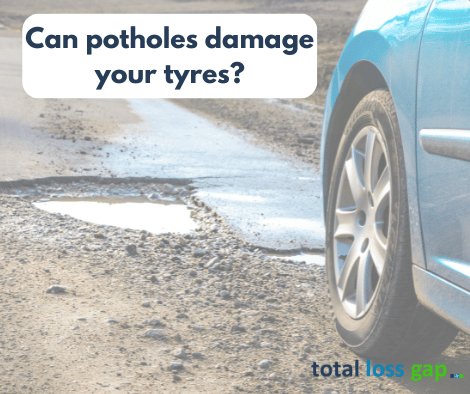
Potholes are one of the most common causes of tyre damage on UK roads. With millions of drivers encountering uneven road surfaces every day, it is not unusual for a sudden impact to leave a tyre punctured, weakened, or in some cases completely unusable.
Many drivers think potholes only damage suspension or alloy wheels, but tyres are usually the first component to absorb the impact.
Because tyres are designed to flex and cushion the vehicle, they can sometimes hide internal damage that is not immediately visible.
Understanding how potholes damage tyres and how to spot the warning signs afterwards can help drivers avoid further problems and potentially costly repairs.
How Potholes Damage Tyres
When a vehicle strikes a pothole, the tyre is forced sharply downwards into the hole before compressing against the edge of the road surface. The sudden impact can trap the tyre between the road and the wheel rim.
This can cause several types of damage, including:
The risk of damage tends to increase when potholes are deeper, when the vehicle is travelling at higher speeds, or when tyre pressures are lower than recommended.
Vehicles fitted with low-profile tyres, which are common on modern cars with larger alloy wheels, are often more vulnerable because there is less sidewall cushioning between the wheel rim and the road surface.
Types of Tyre Damage Caused by Potholes
Not all pothole damage looks the same. In some cases, the tyre may lose pressure immediately, while in others the damage develops over time.
Punctures
A pothole impact can force sharp debris into the tyre tread, causing a puncture. If the puncture occurs in the central tread area, the tyre may be repairable. See our
guide on puncture repair costs in the UK.
Sidewall Bulges
One of the most common forms of pothole damage is a bulge in the tyre sidewall. This occurs when the internal cords that give the tyre its strength are damaged.
Once a bulge forms, the tyre is usually considered unsafe and must be replaced.
Split Sidewalls
Severe impacts can cause the sidewall to split. Sidewall damage cannot normally be repaired because the tyre's structural strength has been compromised.
Hidden Structural Damage
In some cases, the tyre may appear undamaged, but the internal structure may have been weakened. This can lead to vibration, uneven wear, or a gradual loss of pressure.
Signs a Pothole May Have Damaged Your Tyre
Drivers who hit a pothole should check their tyres as soon as it is safe to do so. Even if the vehicle appears to drive normally, it is worth inspecting the tyre carefully.
Common warning signs include:
- sudden loss of tyre pressure
- a visible bulge or distortion in the sidewall
- steering wheel vibration or knocking
- the vehicle pulls slightly to one side
- unusual tyre wear developing over the following days
If any of these symptoms appear, the tyre should be inspected by a tyre specialist as soon as possible.
Can a Pothole-Damaged Tyre Be Repaired?
Whether a tyre can be repaired depends on where the damage occurs and the severity of the impact.
Generally, punctures can be repaired when:
- the hole in the tyre is small
- the damage is within the central tread area (Most tyre repair specialists follow industry guidelines that allow repairs only within the central tread area)
- the tyre’s internal structure remains intact
However, tyres usually need replacing if:
- the sidewall is damaged
- a bulge has formed
- the internal cords have been compromised
- the tyre has split or torn
- the tyre is a run-flat tyre, which are not generally considered safe to repair
Because pothole impacts often affect the sidewall area, replacement is relatively common after severe pothole damage.
How Much Does Pothole Tyre Damage Cost?
The cost of tyre damage varies widely depending on the type of tyre fitted to the vehicle and whether you need a repair or a new replacement tyre.
Typical UK costs may include:
- puncture repair: often between £20 and £40
- replacement of a standard tyre: commonly £50 to £150
- replacement of premium or SUV tyres: £150 to £300 or more
- replacement of run-flat tyres: sometimes £250 to more than £400 per tyre
Vehicles with larger wheels or specialist tyres can face significantly higher costs if a tyre needs to be replaced.
Can Drivers Claim for Tyre Damage Caused by a Pothole?
In some circumstances, drivers may be able to claim compensation from the local authority responsible for maintaining the road.
However, these claims are not always successful. Councils may reject claims if they can demonstrate that the pothole had not been reported previously or that reasonable inspection procedures were in place.
For this reason, drivers should not assume that the cost of pothole damage will always be recoverable.
How Drivers Protect Themselves From Unexpected Tyre Costs
Tyre damage often occurs without warning. Even careful drivers can hit a pothole unexpectedly. To reduce the potential financial impact, some drivers seek ways to manage repair or replacement costs by seeking some form of protection.
The options to cover your costs may include:
These products are intended to reduce the financial impact of unexpected tyre damage during normal driving.
The
cost of replacing a tyre, or two, can run into hundreds of pounds if damage occurs. Getting some protection in place can help reduce the impact on your pocket.
Practical Ways to Reduce the Risk of Tyre Damage
While potholes cannot always be avoided, drivers can also take practical steps to reduce the likelihood of damage. Maintenance and care can help avoid problems.
These include:
- maintaining correct tyre pressure
- reducing speed on poor road surfaces
- avoiding standing water that may conceal potholes
- leaving sufficient distance from vehicles ahead to spot hazards earlier
- checking tyres regularly for early signs of damage
Regular tyre inspections can often identify problems before they become more serious. Many tyre retailers offer a free tyre safety check, and it is worthwhile making use of these facilities.
When Tyre Protection May Be Worth Considering
Tyre protection products may be worth considering for drivers who:
- travel frequently on roads with poor surfaces
- drive vehicles fitted with expensive or low-profile tyres
- cover high annual mileage
- want to reduce the possibility of unexpected repair costs
It follows that many drivers choose some form of protection to help manage these costs.
Conclusion
Potholes can cause a number of tyre problems, from minor punctures to serious structural damage that may require a full tyre replacement. Because the impact forces involved can be significant, even a single pothole strike can lead to damage that is not immediately obvious.
Checking tyres after hitting a pothole and having them inspected if there are signs of vibration or pressure loss can help avoid further problems. In many cases, appreciating the risks and potential costs involved helps drivers make more informed decisions about how best to protect their tyres.
Potholes are one of several common causes of tyre damage. You can read more about the main risks in our guide to
what damages tyres the most.
Frequently Asked Questions
Can hitting a pothole cause a tyre blowout?
Yes. A severe pothole impact can damage the tyre’s internal structure, which may lead to a sudden loss of pressure or even a blowout in extreme cases.
Should I replace a tyre after hitting a pothole?
Not always. Minor punctures can sometimes be repaired, but sidewall damage or structural weakness usually requires a full tyre replacement.
Can potholes damage alloy wheels as well as tyres?
Yes. A hard pothole impact can damage both the tyre and the alloy wheel rim at the same time.
How much does a typical pothole impact incident cost?
According to research from the RAC, the average repair cost following pothole damage to a vehicle is around £590. This can include tyre replacement, alloy wheel repairs, suspension damage or wheel alignment work.
Can you claim if a pothole damages your car?
In some cases, drivers may be able to claim compensation from the local council responsible for maintaining the road where the pothole occurred. However, claims are not always successful if the council can show the pothole had not previously been reported or inspected.
Can potholes damage tyres without causing a puncture?
Yes. A pothole impact can damage the internal structure of a tyre without immediately causing a puncture. This may lead to sidewall bulges, vibration while driving, or gradual air loss over time. If a tyre has struck a pothole heavily, it is worth having it inspected by a tyre specialist.
Article reviewed by
Mark Griffiths, Director of Aequitas Automotive Ltd, the company behind Total Loss GAP in the UK, with expertise in GAP insurance and vehicle protection products. (11/4/2026)




 Impacts can be more serious for certain tyre types. See whether run-flat tyres can be safely repaired after damage.