Learner drivers already face long waits for a test, and from spring 2026, the system will be rewritten again. The DVSA is bringing in new rules that change who can book a test, how many times that test can be moved and what happens if plans change. The goal is simple enough: reduce wasted slots and improve system flow. But it will feel different for anyone learning to drive, and it raises a few questions about how the industry adapts.
To help you navigate these upcoming changes, let’s break down what’s new, why it’s happening, and what it will mean for new drivers.
Only learners will be able to book their driving test. 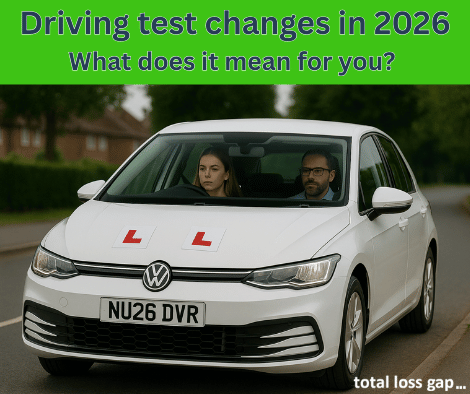
One of the biggest changes is that instructors will no longer be able to book tests for their students. The DVSA wants learners to take responsibility for their own booking rather than rely on driving schools to manage the admin.
This might sound insignificant, but it is a change. For years, instructors have managed test slots to help students secure suitable dates and avoid mismatches when an instructor can’t attend.
Giving responsibility to the learner, the DVSA believes, will reduce wasted appointments and last-minute changes.
Some learners will welcome the control. Others may miss instructor-managed bookings. Either way, the website becomes the main point of contact.
You’ll only be allowed to change a test booking twice.
Learners can only change their test details twice. After two changes, you must cancel and rebook.
From the DVSA’s perspective, this should reduce the number of endless reschedules that clog the system. Some learners book months in advance and then repeatedly shuffle dates as plans change. With waiting lists already stretched, the DVSA wants every slot to count.
Learners need to plan carefully and consider before rescheduling. Refunds are possible with enough notice, but the freedom to endlessly change dates is gone, which may frustrate those who want flexibility.
Driving schools will also notice this change. They must maintain clear communication with students to coordinate lesson plans with test bookings.
Why the DVSA is making these changes
Post-pandemic, the DVSA faces pressure to cut long waits, late cancellations, no-shows, and overbooking, even though test numbers have normalised.
Instructor-booked tests can create friction when learners are unprepared due to frequent changes. Giving learners control and capping changes should stabilise scheduling.
The changes push more responsibility onto new drivers. Booking your own test is now part of learning to drive, just as managing insurance after passing is.
A knock-on effect for instructors
Instructors may have mixed feelings about this. Plenty will appreciate not having to juggle test bookings alongside lessons. Others will worry about students choosing test dates when the instructor can’t make it, or booking too soon and wasting money.
Most instructors will probably still provide guidance: when students should book, which test centre to choose and how soon they’re likely to be ready. It won’t stop instructors from supporting their learners, but it will mean more work for their students.
What it means for learners
If you are looking to pass your driving test in 2026, here is what you should think about:
- Book your own test: Use the DVSA website to choose your slot and pay your fee directly.
- Talk to your instructor first: Make sure they’re available on the date you pick before you book.
- Avoid changes: You only get two before the system forces you to cancel.
- Plan ahead: Test centres near cities will still be busy. Give yourself time to find a suitable date.
- Stay ready: With fewer opportunities to reschedule, you’ll want to feel confident before booking.
You may also be wondering: will any of this affect car insurance for new drivers?
Not immediately, but there are indirect links worth mentioning.
If learners now have more ownership of their test journey, you may see fewer very young drivers passing before they’re ready. People who delay tests until they're properly prepared tend to have fewer early accidents in their motoring life. That can, over time, affect insurance rates across the board for first-year policies.
The new theory-test first-aid focus won’t change premiums directly, but better emergency awareness could help reduce incident severity.
And of course, once a new driver gets their licence, they’re often hit with higher-than-average motor insurance premiums. That’s where more niche products like
motor excess insurance can support new drivers who’ve stretched themselves to buy their first car.
Final thoughts
The 2026 driving test rule changes aim to free up wasted slots and simplify the process. It will also put more on the learner driver.
We will see if the changes have the desired impact.